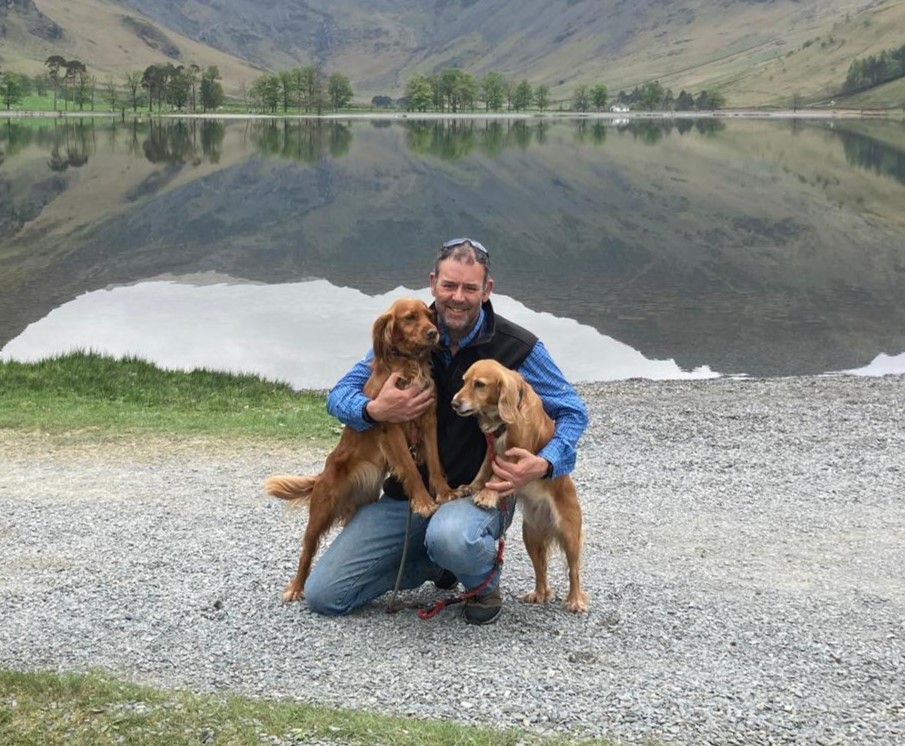
Jeff has been a trustee since 2018 and was elected Chair of the Board in July. He had a long career in Commercial Finance including some very senior roles. He then managed to pursue a dream to study ecology. He’ll be out and about visiting centres and teams in the coming months, but we caught up with him for a quick Q&A as he takes up his new role.
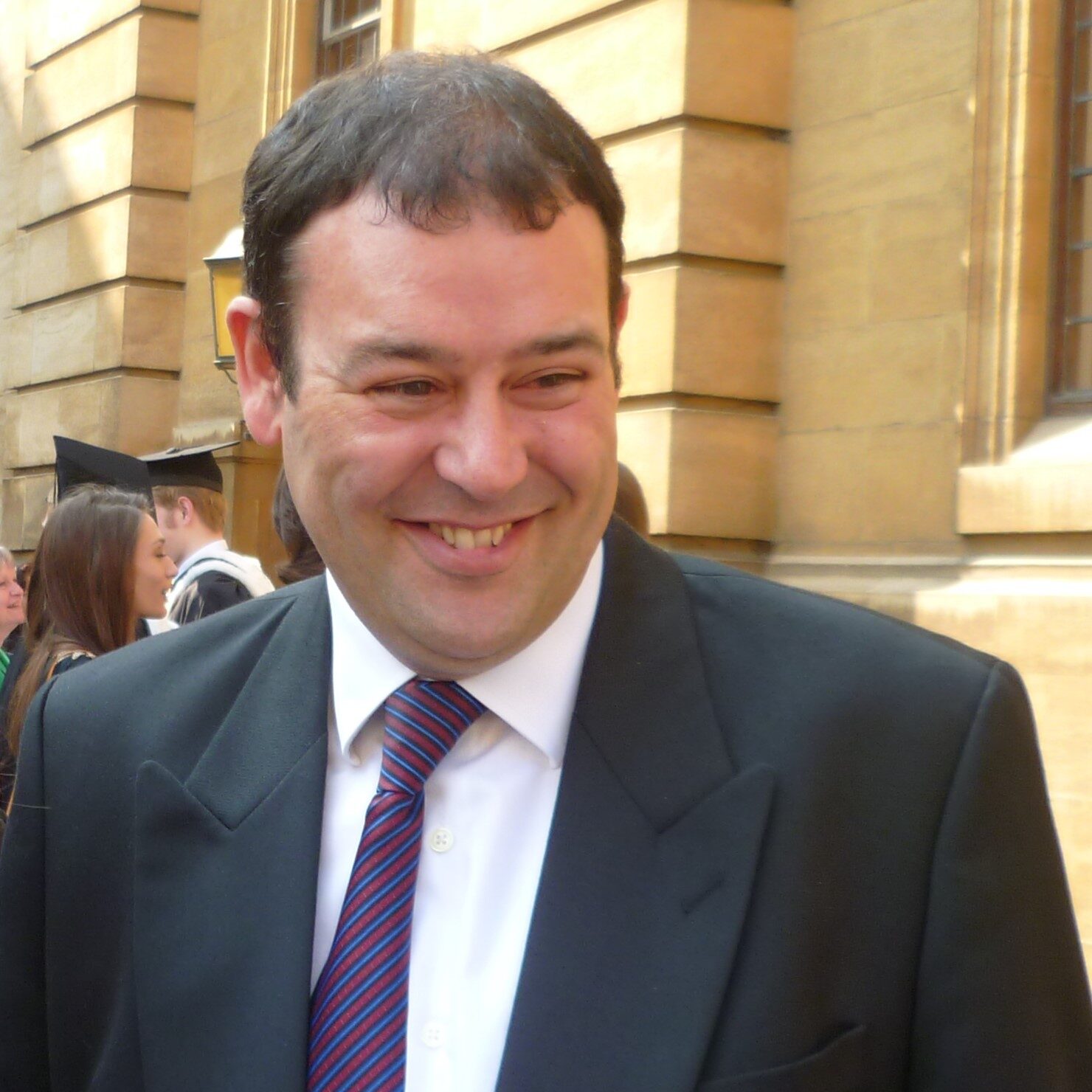
Q Trustees take on the role, responsibility and a lot of paperwork entirely voluntarily. You have been a trustee for six years already. What motivated you to apply for the role of Chair?
When Pete Higgins and Peter Anderson started talking about succession planning for trustees the scale of the changes meant that roughly half the board of trustees would need refreshing in a 12-18 month period. In that context, it seemed sensible that the organisation would benefit from continuity by an existing trustee stepping in to the role of chair.
Having been a chair of other organisations, I felt I had the necessary experience, and from a personal perspective, I have the time, desire and capacity to continue to contribute to Field Studies Council.
It’s been a privilege to serve as a trustee for this fantastic organisation, and it’s an even greater privilege to be elected to serve as chair. I know I am stepping into some pretty big shoes of Pete, and Des before him, and I’ll be relying on all the help I can get.
Q What has surprised you most about Field Studies Council? (I’m thinking in a good way!)
Around 150,000 learners per annum come through the organisation to experience and learn about the natural world in one way or another. We will always want to achieve more and attract more learners, but we should also celebrate that we are influencing around half a million people every 3 years to engage with and take care of our precious environment. That in itself is something everyone in the organisation can be proud of and it wouldn’t happen without people in all parts of the organisation working together.
Q In your pitch for the role, you highlighted a key issue being “managing the tension between acting commercially and behaving charitably”. Could you say a little more about that and what are the difficult choices that the Board will have to make in rolling out the new 5-year strategy?
There is an odd juxtaposition between the reality that all organisations need money to survive and thrive, and a vocational motivation at an individual level of many people to work for a charity rather than a commercial company. This can sometimes feel as if making a surplus and being a charity are in conflict, but I don’t see it that way at all.
It feels to me that acting commercially and behaving charitably are entirely complementary as the more money we generate the more we can invest in a variety of things that benefit the charity, ranging from staff development to bursaries to educational courses to alternative sources of income.
There will be choices, and they are not all black and white or mutually exclusive, examples include:
Q How do you see the Board balancing the need to think strategically while keeping an eye on the detail?
Most of the detailed work is done by the three board committees comprising of Audit and Risk Management, Education Strategy, together with Finance and Administration Committee, all of which provide reports to the main board which means that there should be space in the Board of Trustees board meetings to understand what’s happening in the here and now as well focus on strategic issues.
I also believe that the influx of new people with a wide variety of professional and personal experience ranging from property, to ecology, to psychology, will assist as at least in the short term they only have an external perspective of the organisation.
Q You have a background in coaching and mentoring. With your coaching hat on what key characteristics and skills could we all enhance or develop to meet the coming challenges?
A coaching and mentoring qualification necessarily means I must answer the question in a way that emphasises that everyone is different which makes it hard to generalise but I’d highlight a few things
Q What do you do in your spare time? If you have any spare time
Happily married, I have two spaniels, and a 5-year-old granddaughter keeping me busy.
I’m a trustee of another charity and a non-executive director of a business providing walking holidays in the UK and internationally.
Additionally, I’m a lifelong Sheffield Wednesday supporter. I’d like to say this comes with equal amounts of pain and pleasure, but the pain far outweighs the pleasure.
Last year, I completed a 6-year mission to climb all 214 Wainwrights in the Lake District which I thought was a good effort considering I live in Gloucestershire, but in the pub on the night of completing the final climb I was firmly put in my place when told of a local lady that had completed them all in 6 days!